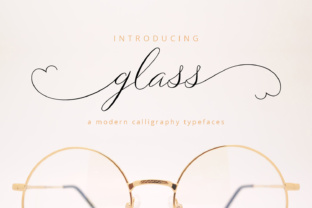
Glass Script Font: A Versatile Choice for Elegant Typography
Glass Script is a beautifully designed font that combines elegance with readability. With its clean lines and graceful swashes, it offers a unique aesthetic that can enhance a variety of design projects. Whether you're creating wedding invitations, menus, or inspirational quotes, this font brings a touch of sophistication to your work.
What Is Glass Script?
Glass Script is a script font that features a modern yet traditional look. It is characterized by its smooth curves and subtle flourishes, which give it an air of refinement. The font is designed to be both visually appealing and easy to read, making it suitable for both digital and print media.
This font is particularly well-suited for occasions where a personal touch is desired. Its versatility allows it to be used in a wide range of applications, from formal documents to casual social media posts.
Why You Might Be Interested in Glass Script
If you're looking for a font that adds a sense of elegance to your designs, Glass Script could be the right choice. It's especially popular among designers who want to create visually striking content without sacrificing clarity.
One of the main reasons people are drawn to Glass Script is its ability to convey emotion and personality. The elegant swashes and flowing characters make it ideal for creating a sense of warmth and charm in your designs.
Benefits of Using Glass Script
- Elegant Design: The font's clean lines and graceful swashes add a touch of elegance to any project.
- Versatility: It works well for a variety of purposes, including wedding invitations, menus, and inspirational quotes.
- Readability: Despite its decorative elements, the font remains highly readable, making it suitable for both short and long texts.
- Professional Look: The font gives your designs a polished and professional appearance, which is especially important for formal events.
Considerations and Tradeoffs
While Glass Script has many advantages, there are also some considerations to keep in mind. One potential drawback is that it may not be as suitable for very small text sizes, where the details of the script might become less legible.
Additionally, since it is a script font, it may not be the best choice for more technical or formal documents where a sans-serif or serif font would be more appropriate. It's important to consider the context in which you'll be using the font to ensure it aligns with your overall design goals.
Situations Where Glass Script Is a Strong Fit
Glass Script shines in situations where a touch of elegance and personality is desired. Here are some common use cases where this font excels:
- Wedding Invitations: The font's graceful appearance makes it perfect for creating beautiful and memorable wedding invitations.
- Menus and Food Packaging: Its clean and stylish look can elevate the presentation of menus and food-related materials.
- Inspirational Quotes: The font's visual appeal makes it ideal for highlighting motivational messages or quotes on posters, cards, or social media.
- Branding Materials: When used appropriately, Glass Script can help create a strong brand identity that stands out from the competition.
When Alternatives May Be Worth Considering
While Glass Script is a great option for many design projects, there are instances where other fonts may be more suitable. For example, if you need a font that is more legible at smaller sizes or requires a more modern and minimalist look, you might consider alternatives like Helvetica or Arial.
If your project involves a lot of technical information or requires a more formal tone, a serif font such as Times New Roman or Georgia might be a better fit. These fonts are often preferred for their readability and traditional appearance.
Practical Decision-Making Insights
When deciding whether to use Glass Script, it's important to consider the purpose of your design and the audience you're targeting. If you're aiming to create something that feels personal and elegant, then this font is likely a good choice.
However, if your primary goal is to ensure maximum readability across different platforms and devices, you may want to opt for a more standard font. It's also worth testing how the font looks in different contexts and sizes before finalizing your design.
Ultimately, the decision to use Glass Script should be based on how well it aligns with your specific needs and objectives. By carefully evaluating the benefits and limitations of the font, you can make an informed choice that enhances your overall design experience.