Pinkerton Script: A Timeless Font for Sophisticated Design
Pinkerton Script is an elegant handwritten font that has gained popularity among designers and content creators looking to add a touch of sophistication to their projects. Its unique blend of classic and modern elements makes it a versatile choice for a wide range of applications, from branding to digital media.
What Makes Pinkerton Script Distinct?
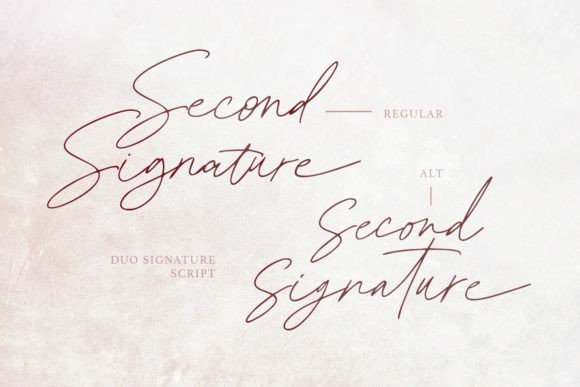
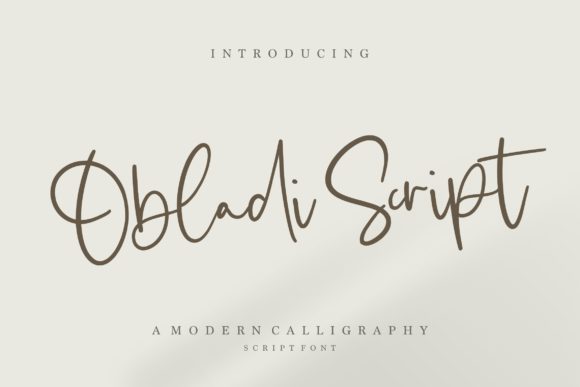
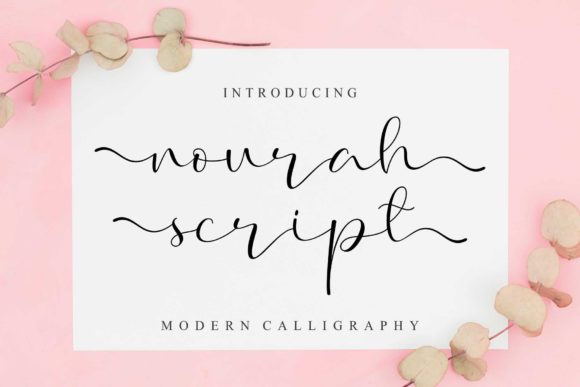
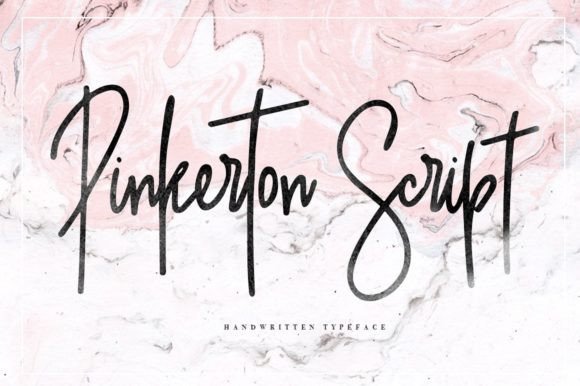
Pinkerton Script stands out due to its distinctive character and readability. The font features thin strokes and smooth curves, which contribute to its easy legibility while maintaining an artistic flair. This combination allows it to be both visually appealing and practical for various design needs.
The elegance of Pinkerton Script lies in its ability to convey a sense of professionalism without being overly formal. It is designed with a balance between fluidity and structure, making it suitable for both traditional and contemporary designs.
Design Elements That Define Pinkerton Script
- Thin Strokes: These give the font a delicate appearance, ideal for creating a soft and inviting aesthetic.
- Smooth Curves: The flowing lines enhance the readability of the text while adding a graceful touch.
- Distinctive Character: Each letterform is crafted to stand out, ensuring that the font remains memorable and visually engaging.
Comparing Pinkerton Script with Similar Options
When considering alternatives to Pinkerton Script, it's important to evaluate how each font aligns with specific design goals. Fonts such as Brush Script MT or Playfair Display offer similar elegance but may differ in terms of legibility and application.
Brush Script MT is another popular handwritten font that shares some similarities with Pinkerton Script. However, Brush Script MT tends to have more pronounced variations in stroke width, which can affect readability in certain contexts. Pinkerton Script, on the other hand, maintains a consistent thickness throughout, making it more suitable for body text.
Playfair Display is a serif font that exudes a more formal and structured look. While it is excellent for headlines and titles, it lacks the organic feel of a script font like Pinkerton Script. For projects requiring a balance between formality and approachability, Pinkerton Script offers a compelling middle ground.
Evaluating Use Cases and Best-Fit Situations
Pinkerton Script is particularly well-suited for projects where a touch of class and personality is desired. Some common use cases include:
- Branding: The font can be used for logos, taglines, or brand names to create a sophisticated and memorable identity.
- Invitations and Stationery: Its elegant appearance makes it ideal for wedding invitations, thank-you notes, and other formal correspondence.
- Web Design: When used sparingly, Pinkerton Script can enhance the visual appeal of websites, especially for headings and call-to-action buttons.
- Print Media: Magazines, brochures, and book covers benefit from the font's refined look, adding a layer of sophistication to printed materials.
Strengths and Tradeoffs of Using Pinkerton Script
While Pinkerton Script has several strengths, it is essential to consider potential tradeoffs before incorporating it into a project. One of its primary advantages is its versatility across different mediums and applications. However, this versatility comes with limitations.
Strengths:
- Versatility: Pinkerton Script can be used in both digital and print formats, making it adaptable to various design needs.
- Readability: Despite being a script font, it maintains good legibility, which is crucial for effective communication.
- Aesthetic Appeal: The font adds a touch of elegance and sophistication, enhancing the overall visual impact of any design.
Tradeoffs:
- Limited Legibility at Small Sizes: Like many script fonts, Pinkerton Script may become less readable when used in small sizes or low-resolution environments.
- Less Formal Than Serif Fonts: While the font is elegant, it may not be appropriate for highly formal or academic contexts where a more traditional typeface is preferred.
- Requires Careful Pairing: To ensure visual harmony, Pinkerton Script should be paired with complementary fonts that balance its ornate style.
When to Choose Pinkerton Script and When to Consider Alternatives
Pinkerton Script is an excellent choice when the goal is to add a touch of sophistication and personality to a design. However, there are situations where other fonts may be more appropriate.
If the project requires high readability in dense text blocks, a sans-serif or serif font may be a better option. In contrast, if the objective is to create a visually striking headline or logo, Pinkerton Script can provide the perfect blend of elegance and memorability.
For instance, a luxury fashion brand might use Pinkerton Script for its website header to convey exclusivity and refinement. Conversely, a technical document would likely benefit from a more straightforward and clean font to ensure clarity and focus.
Ultimately, the decision to use Pinkerton Script depends on the specific requirements of the project. By understanding its strengths and limitations, designers can make informed choices that align with their creative vision and functional needs.