Quillotha Script: A Handcrafted Lettering Style for Modern Design
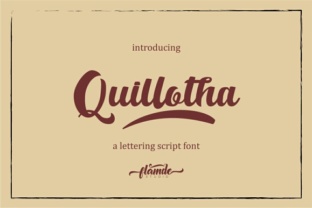
Quillotha Script is a unique, handmade lettering style that blends traditional calligraphy with digital precision. Designed for both creative professionals and casual users, it offers a versatile solution for projects ranging from branding to personal stationery. Its distinctiveness lies in its meticulous crafting process, which ensures each stroke reflects the artistry of hand-lettering while maintaining the consistency required for digital use.
What Makes Quillotha Script Distinct?
Unlike many mass-produced fonts, Quillotha Script is crafted by hand and then carefully digitalized to preserve its organic feel. This process results in a font that feels more personal and expressive compared to standard typefaces. The script’s flowing lines and subtle variations in weight and spacing give it a natural, almost handwritten appearance, making it ideal for designs that require a touch of elegance and individuality.
The font's character set includes a wide range of glyphs, ligatures, and alternate forms, allowing for greater flexibility in design. These features make it suitable for both formal and informal contexts, such as wedding invitations, logos, or editorial layouts. The attention to detail in its creation also means that it performs well at various sizes, ensuring readability without sacrificing aesthetic appeal.
Comparing Quillotha Script to Other Script Fonts
When evaluating script fonts, several factors come into play, including legibility, versatility, and stylistic fit. Quillotha Script stands out due to its balance between hand-crafted authenticity and digital usability. It differs from other popular script fonts like Carter Gothic or Garamond, which often lean toward either extreme—either too rigid or too ornate.
Compared to more stylized scripts such as Brush Script, Quillotha Script offers a cleaner, more refined look. While Brush Script is known for its bold, dynamic strokes, Quillotha Script provides a subtler, more elegant alternative. This makes it better suited for professional settings where a high level of sophistication is desired.
On the other hand, Quillotha Script may not be the best choice for projects requiring a highly decorative or whimsical feel. In such cases, alternatives like Dancing Script or Great Vibes might be more appropriate. However, for those seeking a script that maintains clarity and professionalism, Quillotha Script is an excellent option.
Strengths and Tradeoffs
One of the main strengths of Quillotha Script is its ability to convey a sense of craftsmanship and individuality. This can be particularly valuable in branding, where a unique visual identity is crucial. Additionally, its clean design ensures that it remains readable even when used in smaller sizes or on digital screens.
However, like many script fonts, Quillotha Script may not be the best choice for long-form text. Its fluid, connected characters can make it challenging to read in large blocks, especially for audiences unfamiliar with script styles. For body text, a sans-serif or serif font would typically be more suitable, while Quillotha Script is better reserved for headings, logos, or accents.
Best-Fit Situations for Quillotha Script
Quillotha Script shines in scenarios where a touch of elegance and personalization is needed. Some common applications include:
- Branding and Logos: The font’s distinctive style can help create a memorable brand identity, especially for businesses in creative industries such as fashion, art, or design.
- Wedding Invitations and Stationery: With its graceful curves and refined appearance, Quillotha Script is well-suited for invitations, thank-you cards, and other formal correspondence.
- Editorial and Advertising: Used sparingly in headlines or pull quotes, it can add visual interest without overwhelming the reader.
- Personal Projects: From custom illustrations to social media graphics, Quillotha Script can elevate the aesthetic of any personal design project.
In these contexts, the font’s versatility and elegance make it a strong contender. However, it’s important to consider the overall design and audience before committing to it as the primary font.
When to Consider Alternatives
While Quillotha Script has many advantages, there are situations where another font might be more appropriate. For example, if you're designing for a younger audience or a more casual context, a bolder or more playful script could be more effective. Similarly, if your project requires a high degree of legibility across multiple languages or screen sizes, a more standardized font might be preferable.
Additionally, if you’re working on a multilingual project, it’s worth checking whether Quillotha Script supports the necessary characters. While it covers a broad range of Latin-based alphabets, it may not be suitable for non-Latin scripts without additional modifications.
For designers looking for something with more variation in thickness or texture, a brush-style font could offer a different kind of visual impact. However, for those who value refinement and clarity, Quillotha Script remains a compelling choice.
Practical Tips for Using Quillotha Script
To get the most out of Quillotha Script, consider the following tips:
- Use it selectively: Since it’s a script font, it works best in short bursts rather than long paragraphs. Use it for headlines, titles, or accent text to maintain readability.
- Pair it wisely: Combine it with a complementary sans-serif or serif font for body text to ensure a balanced design. For example, pairing it with Helvetica Neue or Georgia can create a harmonious contrast.
- Experiment with spacing: Adjust letter and word spacing to enhance legibility, especially when using it at smaller sizes.
- Consider color and background: Ensure that the font stands out against the background. Light colors or busy patterns can reduce readability, so choose a neutral backdrop when possible.
By keeping these considerations in mind, you can effectively incorporate Quillotha Script into your design workflow without compromising functionality or aesthetics.
Ultimately, the decision to use Quillotha Script depends on the specific needs of your project. Whether you're looking for a refined, handcrafted feel or a more modern, digital approach, understanding the strengths and limitations of this font will help you make an informed choice that aligns with your goals and audience expectations.