Wisteria Script: A Handwritten Font for Modern Elegance and Practical Use
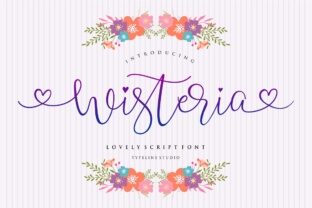
The Wisteria Script is a handwritten font crafted with care, blending the timeless charm of calligraphy with the clarity of modern typography. Designed to evoke a sense of classic love and sophistication, it offers a unique aesthetic that is both decorative and highly readable. Its clean, smooth curves and feminine, sensual lines make it an ideal choice for a wide range of creative and professional applications. Whether you're designing invitations, logos, or marketing materials, The Wisteria brings a touch of elegance and personality to your work.
Understanding the Characteristics of Wisteria Script
The Wisteria Script is more than just a font—it's a design element that can elevate the visual appeal of any project. Its characters are beautifully formed, with a flow that mimics natural handwriting. This makes it particularly suitable for projects where a personal, artistic feel is desired. The font’s readability ensures that it remains legible even in larger formats, making it a versatile choice for various media.
What sets The Wisteria apart is its balance between traditional script styles and contemporary design trends. It avoids the overly ornate look of some cursive fonts while maintaining a level of sophistication that feels both classic and fresh. This adaptability allows it to fit seamlessly into a variety of contexts, from formal invitations to digital advertisements.
Applications of Wisteria Script in Real-World Projects
The versatility of The Wisteria Script makes it applicable across multiple industries and use cases. Here are some practical examples of how this font can be integrated into different workflows:
- Invitations and Event Design: The Wisteria Script is perfect for creating wedding invitations, birthday cards, and event programs. Its elegant appearance adds a personal touch that can make any invitation stand out.
- Branding and Logo Design: For businesses looking to create a brand identity that feels both professional and approachable, The Wisteria Script can be used in logos, taglines, and branding materials. It works especially well for fashion, beauty, and lifestyle brands.
- Restaurant Menus and Stationery: In the hospitality industry, using The Wisteria Script on menus, coasters, or table cards can enhance the dining experience by adding a sense of luxury and refinement.
- Fashion and Makeup Packaging: The font's glamorous and feminine qualities make it an excellent choice for product packaging in the fashion and cosmetics industries. It can be used on labels, tags, and promotional materials.
- Stationery and Novel Covers: Writers and publishers can benefit from using The Wisteria Script in book covers, journal designs, and other stationery products. Its readability ensures that it doesn't compromise the message while enhancing the visual appeal.
- Digital Advertising and Marketing: When designing online ads, social media posts, or email campaigns, The Wisteria Script can add a touch of sophistication and individuality to your content without overwhelming the viewer.
Integrating Wisteria Script into Your Workflow
Incorporating The Wisteria Script into your workflow requires careful consideration of its compatibility with other design elements and tools. Here are some tips for seamless integration:
Preparation: Before starting a project, ensure that you have access to The Wisteria Script font file. You may need to purchase or download it from a reputable font provider. Once obtained, install it on your computer or graphic design software to begin using it immediately.
Compatibility: Check if The Wisteria Script is compatible with the design software or platforms you use. Most modern design tools like Adobe Photoshop, Illustrator, Canva, and Figma support a wide range of font formats. If you're working on a website, ensure that the font is web-safe or properly embedded using Google Fonts or similar services.
Usability: When using The Wisteria Script in a design, consider the size, spacing, and color contrast. Since it's a script font, it may not be as legible in very small sizes. Pair it with a sans-serif font for headings and body text to maintain readability.
Organization: Keep your font library organized by categorizing fonts based on their style, purpose, and usage. This will help you quickly find The Wisteria Script when needed and avoid confusion with similar fonts.
Efficiency: To streamline your workflow, create templates or presets in your design software that include The Wisteria Script. This can save time when working on multiple projects that require consistent typography.
Best Practices for Using Wisteria Script Effectively
To get the most out of The Wisteria Script, follow these best practices:
- Use It Sparingly: While The Wisteria Script is visually appealing, overusing it can make your design look cluttered. Reserve it for key elements such as headlines, titles, or accents rather than using it for large blocks of text.
- Pair with Complementary Fonts: Combine The Wisteria Script with a clean, modern sans-serif font to create a balanced and harmonious design. This pairing can enhance readability while maintaining the elegance of the script font.
- Experiment with Colors and Effects: Try using The Wisteria Script with different colors, gradients, or effects like drop shadows to add depth and dimension to your designs. These enhancements can make the font stand out even more.
- Consider the Audience: Think about who will be viewing your design. The Wisteria Script may be more appropriate for a niche audience or a specific occasion, such as a wedding or luxury brand, rather than a general-purpose application.
- Test Across Devices: Ensure that The Wisteria Script looks good on different devices and screen sizes. Test your designs on desktops, tablets, and mobile phones to confirm that the font remains legible and aesthetically pleasing in all environments.
Long-Term Use and Quality Control
If you plan to use The Wisteria Script regularly, it's important to establish quality control measures to maintain consistency across your projects. Consider creating a style guide that outlines how the font should be used, including font sizes, line spacing, and color schemes. This guide can serve as a reference for designers, marketers, and other team members involved in your workflow.
Additionally, keep track of any updates or new versions of The Wisteria Script that may be released by the font designer. Updating your font library regularly can ensure that you have access to the latest features and improvements.
For long-term use, it's also helpful to back up your font files and store them in a secure location. This can prevent data loss and ensure that you always have access to The Wisteria Script whenever needed.
By following these practical steps and considerations, you can integrate The Wisteria Script into your workflow effectively and efficiently. Its unique blend of elegance, readability, and versatility makes it a valuable asset for any creative or professional project. Whether you're designing invitations, branding materials, or digital content, The Wisteria Script can help you achieve a look that is both beautiful and functional.