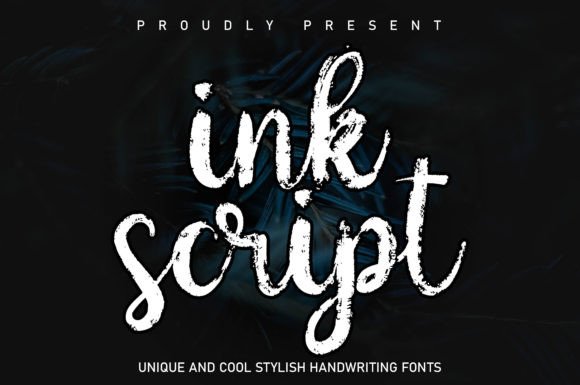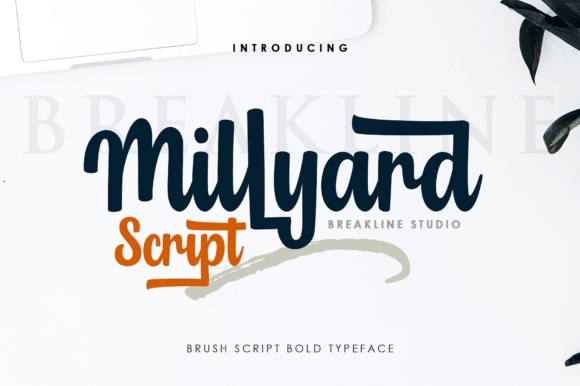
Discover the Kaeshum Script: A Bold and Elegant Typographic Style
The Kaeshum script is a striking typographic style that has gained popularity for its bold, elegant appearance. Whether you're a designer, a writer, or simply someone who appreciates good typography, understanding the Kaeshum script can enhance your visual communication in both personal and professional contexts.
What Is the Kaeshum Script?
The Kaeshum script is an elegant yet bold font style that combines modern aesthetics with traditional design elements. It is often used in branding, logos, and creative projects where a strong visual impact is desired. Unlike more conventional fonts, the Kaeshum script features sharp, clean lines and a unique structure that sets it apart from other typographic styles.
Its name, derived from a blend of "kae" (meaning "to create" in some languages) and "shum" (which can mean "style" or "art"), reflects its purpose as a tool for artistic expression. The script's boldness makes it ideal for headlines, titles, and any text that needs to stand out visually.
Key Characteristics of the Kaeshum Script
- Bold and Modern: The Kaeshum script is known for its strong, confident strokes that give it a modern feel.
- Elegant Structure: Despite its boldness, the script maintains an elegant and balanced structure, making it versatile for various applications.
- High Contrast: The contrast between thick and thin strokes adds depth and visual interest to the text.
- Customizable: Many variations of the Kaeshum script are available, allowing designers to tailor the look to their specific needs.
Why Is the Kaeshum Script Significant?
In today's digital world, typography plays a crucial role in how information is perceived and consumed. The Kaeshum script is significant because it offers a unique way to communicate messages through visual design. Its bold style is particularly effective in grabbing attention, which is essential in environments like social media, advertising, and web design.
Moreover, the script's elegance allows it to be used in more refined settings such as editorial design, packaging, and even educational materials. This versatility ensures that the Kaeshum script remains relevant across different industries and audiences.
Practical Applications of the Kaeshum Script
The Kaeshum script is not just an aesthetic choice; it also serves practical purposes in various fields. Here are some common applications:
- Branding: Companies use the Kaeshum script to create memorable logos and brand identities that reflect strength and creativity.
- Web Design: Websites can incorporate the Kaeshum script for headings and call-to-action buttons to improve user engagement.
- Print Media: Magazines, brochures, and posters often feature the Kaeshum script to add a touch of sophistication and uniqueness.
- Education: In educational materials, the script can be used to highlight key concepts or make learning more visually engaging.
- Creative Projects: Artists and designers frequently use the Kaeshum script in their work to express individuality and innovation.
How to Use the Kaeshum Script Effectively
While the Kaeshum script is visually appealing, it's important to use it wisely to maintain readability and effectiveness. Here are some tips for incorporating it into your designs:
- Use It Sparingly: The bold nature of the script means it should be used in moderation to avoid overwhelming the reader.
- Pair It With Complementary Fonts: Combine the Kaeshum script with a simpler, more readable font for body text to ensure clarity.
- Consider the Context: Always think about the purpose and audience of your design before selecting a font.
- Test on Different Devices: Ensure that the script looks good on all screen sizes and platforms.
- Experiment With Variations: Explore different versions of the script to find the one that best suits your project.
Common Misconceptions About the Kaeshum Script
Despite its growing popularity, there are some common misunderstandings about the Kaeshum script that deserve clarification:
- Misconception 1: "The Kaeshum script is only suitable for high-end designs." Reality: While it can be used in sophisticated contexts, the script is also adaptable to more casual and everyday uses.
- Misconception 2: "It’s difficult to read in small sizes." Reality: With proper spacing and contrast, the script can be legible at smaller sizes, especially when used in headlines rather than body text.
- Misconception 3: "Only professional designers should use the Kaeshum script." Reality: Anyone with a basic understanding of typography can successfully incorporate the script into their work.
Conclusion: Embracing the Kaeshum Script in Modern Design
The Kaeshum script is more than just a font—it's a powerful tool for visual storytelling and brand identity. Its bold, elegant style makes it an excellent choice for a wide range of applications, from digital marketing to print media. By understanding its characteristics, significance, and practical uses, you can effectively integrate the Kaeshum script into your creative projects and elevate your design work.
Whether you're a beginner exploring typography or an experienced designer looking for new inspiration, the Kaeshum script offers something valuable to everyone. As technology and design continue to evolve, the script remains a relevant and stylish option for those who value both form and function.